

Elevate Your Grief Journey with Elegant Memorials

Grief is a deeply personal experience that can feel overwhelming and isolating. When we lose someone we love, the journey through that grief can be challenging. One way to honor the memory of a loved one is through elegant memorials. These memorials not only serve as a tribute but also help in the healing process. In this blog post, we will explore various types of memorials, their significance, and how they can elevate your grief journey.

Understanding the Importance of Memorials
Memorials play a crucial role in the grieving process. They provide a physical space where we can remember and celebrate the life of the deceased. Here are some key reasons why memorials are important:
A Place for Reflection: Memorials offer a dedicated space for reflection and remembrance. Visiting a memorial can help individuals process their emotions and find solace.
Celebration of Life: A well-designed memorial can encapsulate the essence of the person who has passed. It serves as a celebration of their life, achievements, and the love they shared with others.
Connection with Others: Memorials can bring family and friends together, fostering a sense of community and shared grief. They provide an opportunity for collective mourning and support.
Legacy: Memorials can serve as a lasting legacy, ensuring that the memory of the loved one lives on for future generations.
Types of Elegant Memorials
When considering a memorial, there are various options to choose from. Each type has its unique characteristics and can be tailored to reflect the personality and preferences of the deceased.
Traditional Headstones
Traditional headstones are perhaps the most recognized form of memorial. They can be customized with inscriptions, symbols, and images that represent the individual. Here are some features to consider:
Material: Common materials include granite, marble, and bronze. Each has its own aesthetic and durability.
Design: Headstones can be simple or elaborate, depending on personal preference. Some families choose to include photographs or engravings that tell a story.
Location: Headstones are typically placed in cemeteries, but families may also choose to create a memorial in a favorite location of the deceased.
Memorial Benches
Memorial benches are a beautiful way to create a lasting tribute in a public or private space. They serve as a functional piece of art that invites reflection. Consider the following:
Material and Design: Benches can be made from wood, stone, or metal. Custom engravings can add a personal touch.
Location: Placing a bench in a park, garden, or near a favorite spot of the deceased can create a serene place for remembrance.
Community Involvement: Memorial benches can also serve as a community project, bringing people together to honor the memory of a loved one.
Living Memorials
Living memorials are a unique and environmentally friendly option. These can include planting trees, gardens, or even creating a natural habitat in memory of the deceased. Here are some ideas:
Tree Planting: Planting a tree in a park or backyard can symbolize growth and renewal. It serves as a living tribute that continues to thrive.
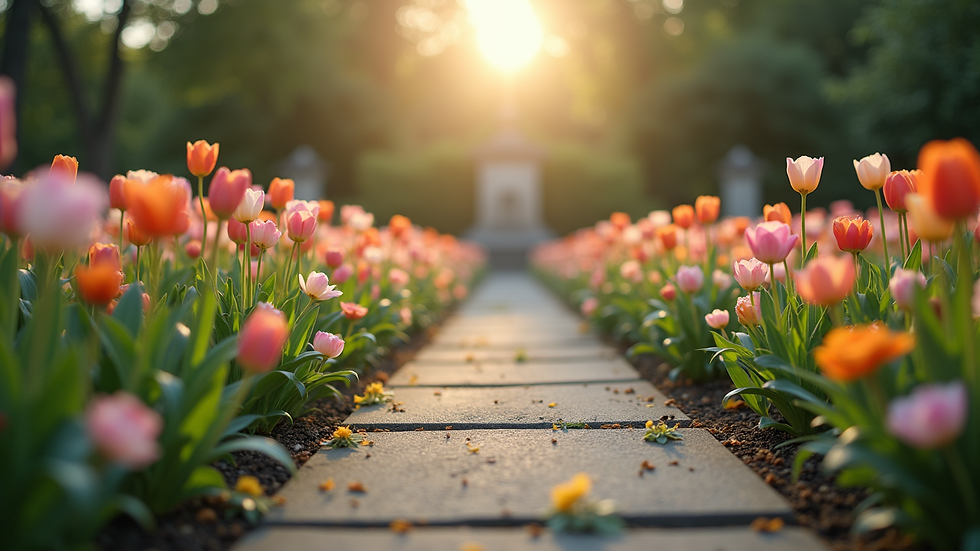
Memorial Gardens: Creating a garden filled with the deceased's favorite flowers or plants can provide a peaceful retreat for family and friends.
Wildlife Habitats: Establishing a habitat for local wildlife can be a meaningful way to honor someone who loved nature.
Online Memorials
In today's digital age, online memorials have become increasingly popular. These virtual spaces allow families to share memories, photos, and stories with a wider audience. Consider the following aspects:
Accessibility: Online memorials can be accessed from anywhere, making it easy for friends and family to participate in the remembrance.
Multimedia Options: Families can include videos, music, and written tributes, creating a rich tapestry of memories.
Community Support: Many online platforms allow for comments and messages of support, fostering a sense of community among those grieving.
Personalizing Your Memorial
Personalization is key when creating a memorial. It should reflect the unique personality and life of the individual being honored. Here are some ways to personalize a memorial:
Inscriptions: Thoughtful inscriptions can capture the essence of the person. Consider including quotes, dates, or personal messages.
Symbols: Incorporate symbols that represent the deceased's interests, hobbies, or beliefs. This could include religious symbols, favorite animals, or artistic designs.
Photos: Including a photo can make the memorial feel more intimate and personal. Choose a picture that captures the spirit of the individual.
Interactive Elements: Some memorials include interactive elements, such as guest books or memory walls, where visitors can leave their thoughts and memories.
The Healing Power of Memorials
Creating a memorial can be a therapeutic process. It allows individuals to channel their grief into something tangible and meaningful. Here are some ways memorials can aid in healing:
Expression of Grief: Designing a memorial can provide an outlet for emotions. It allows individuals to express their love and loss creatively.
Rituals and Ceremonies: Memorials can be the focal point for rituals and ceremonies, providing a structured way to honor the deceased.
Ongoing Connection: A memorial can serve as a place to return to, fostering an ongoing connection with the loved one. It can be a source of comfort during difficult times.
Conclusion
Elevating your grief journey with elegant memorials is a powerful way to honor the memory of a loved one. Whether you choose a traditional headstone, a memorial bench, a living tribute, or an online space, the key is personalization. By creating a memorial that reflects the unique spirit of the deceased, you can find solace and support in your grief journey. Remember, it’s not just about saying goodbye; it’s about celebrating a life well-lived and keeping their memory alive for years to come.
As you navigate your grief, consider how a memorial can serve as a beacon of hope and healing. Take the time to reflect on what would best honor your loved one, and allow that process to guide you toward peace and remembrance.

Comments